
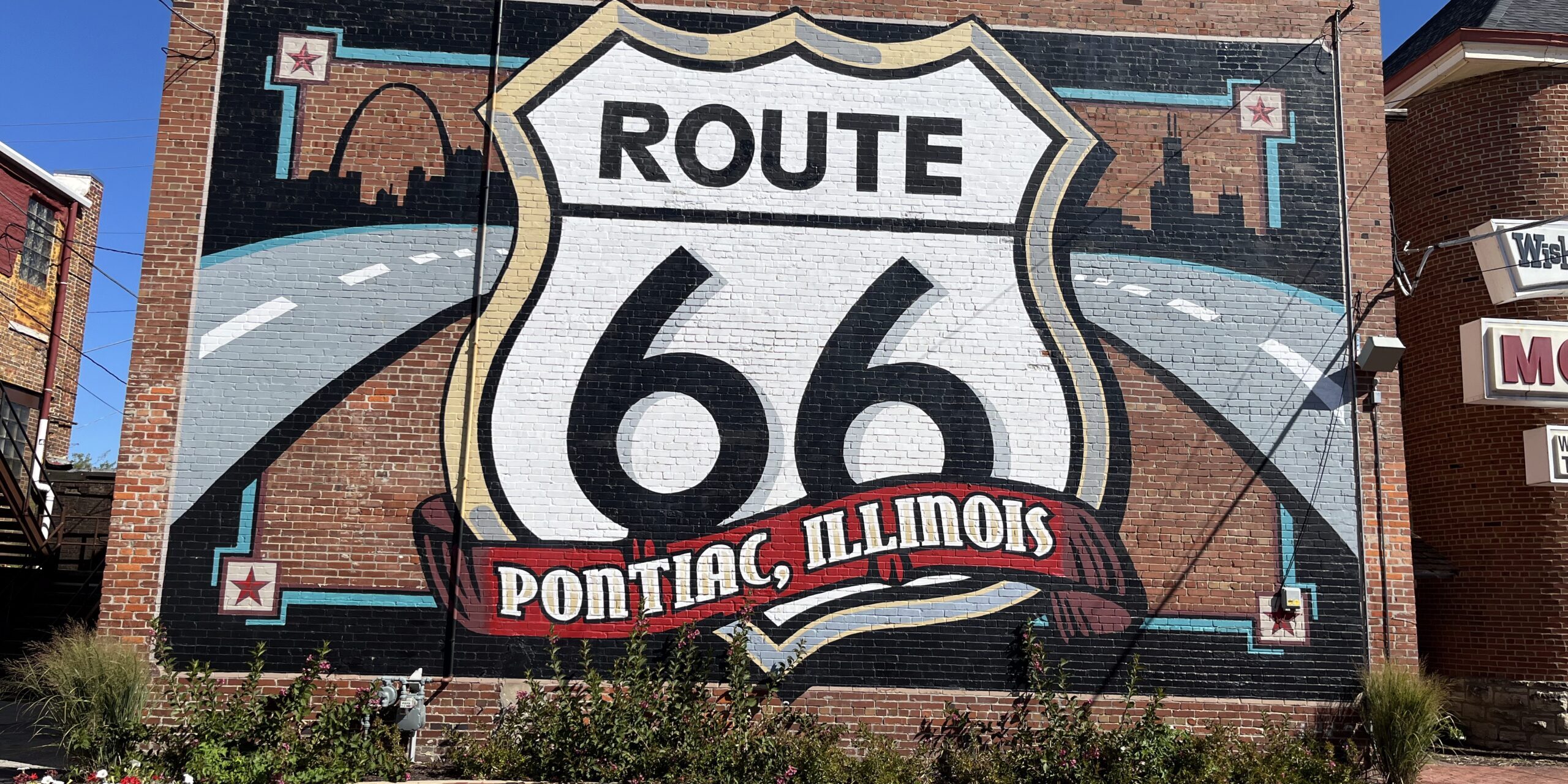
In 2026, America’s most iconic highway turns 100. Route 66, often called the Mother Road, is more than a stretch of pavement connecting Chicago to Santa Monica. It is a living timeline of American life — shaped by migration, ambition, hardship, and hope. As we celebrate its centennial, Route 66 invites us to reflect on the people, places, and stories that defined a century of movement across this country.
Route 66 has always meant different things to different people. For some, it symbolized freedom and possibility. For others, it was a road taken out of necessity — a path west during the Dust Bowl, a route to opportunity during wartime production booms, or a journey toward a better future. Like America itself, its story includes optimism and struggle, reinvention and resilience.
At Starr, we believe this centennial deserves more than a highlight reel of neon signs and classic diners. While those nostalgic moments absolutely belong in the experience, the true power of Route 66 lies in the deeper story it tells — about communities built along its edges, towns forever changed when traffic moved elsewhere, and cultures shaped by the steady flow of travelers passing through.
That’s why our Cross Country Route 66 & More tour is such a special way to experience this historic highway. This 27-day journey which includes travel from Chicago to Santa Monica, blends iconic stops on Route 66 with unforgettable American landscapes and cultural landmarks, giving travelers both breadth and depth as they explore the heart of this legendary road.
Chicago: Where the Mother Road Begins
Every Route 66 journey starts with purpose in Chicago, the official eastern terminus of the Mother Road. This city is more than a departure point — it’s where America’s love affair with the open road truly began. As travelers gather here, there’s a sense of anticipation that echoes generations of journeys before them, when families, workers, and dreamers set out west in search of opportunity.
Route 66 history comes alive as you explore Chicago’s connection to the road’s early days, including visits to sites that celebrate its cultural and automotive legacy. From iconic Route 66 signage and memorabilia to stories of how the highway shaped travel, commerce, and popular culture, Chicago sets the tone for the adventure ahead. It’s a meaningful introduction — grounding the journey in context before the road stretches westward mile by mile.
Standing at the starting line of Route 66, travelers aren’t just beginning a trip — they’re stepping into a century-long story of movement, migration, and possibility. It’s a fitting place to reflect on where the road has taken America, and where it will continue to lead next.
Mother Road Memories in Illinois
As you travel down Route 66, you’ll visit nostalgic roadside treasures like the Illinois Route 66 Association Hall of Fame Museum, celebrating the people and relics that made this road legendary. In Pontiac, the Pontiac-Oakland Auto Museum brings automotive history to life with classic cars and memorabilia that capture the spirit of mid-20th-century travel.
Southwestern Landscapes and National Parks
Beyond classic Route 66 stops, the tour takes in breathtaking scenery and national parks, offering a sense of America’s vast natural beauty. Historic towns, roadside attractions, and the rhythms of changing landscapes help tell the broader story of how this road shaped communities from the Midwest to the Southwest.
Los Angeles Finale: Hollywood, Downtown & the Santa Monica Pier
Your journey culminates in Southern California, where a guided Los Angeles tour brings you to the heart of Hollywood’s iconic landmarks — from the Walk of Fame to Grauman’s Chinese Theatre and the bustling Farmers Market. The tour also includes free time to explore, plus a visit to the Santa Monica Pier, the official “End of the Trail” for Route 66.
Through every mile, you’ll discover that Route 66 isn’t just a road — it is a tapestry woven from the stories of the people who traveled it, the towns that sprang up around it, and the culture that made it unforgettable.
Just as we cannot celebrate America’s 250th birthday without acknowledging the full sweep of its history, we cannot honor Route 66 without recognizing its complexities. This road carried dreams, but it also carried displacement. It brought prosperity to some communities and hardship to others. Those truths matter — because they deepen our understanding of what this highway, and this country, truly represent.
As the travel industry looks toward a projected tourism surge in 2026, domestic travel will play a critical role in reconnecting Americans with their own story. Route 66 offers a uniquely powerful way to do just that — mile by mile, story by story, generation by generation.
This centennial is not just about remembering the past. It’s about recognizing how movement shapes identity, how roads connect people, and how stories are carried forward. Route 66 may be 100 years old, but its legacy is still unfolding.
And like any great American story, it’s one worth traveling.